Is Your Fuel Tank in the Firing Line?
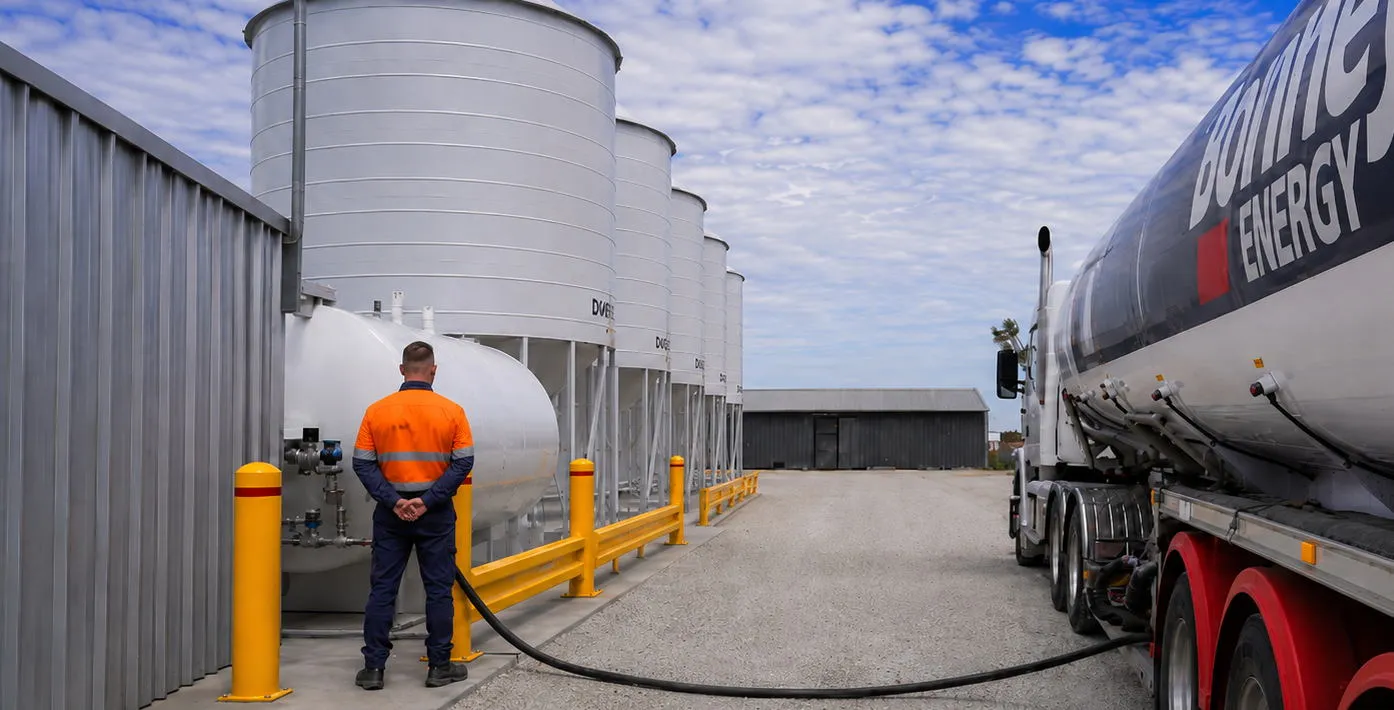
On farms and worksites, fuel tanks are usually placed where they are most useful: near sheds, workshops, yards, laneways or refuelling areas.
That makes them convenient, but it can also put them right in the path of everyday vehicle movement.
Tractors, utes, loaders, trucks, trailers and delivery vehicles may pass through the same area every day. Most of the time, nothing happens. But one rushed reverse, tight turn or poor line of sight can be enough to damage a tank, pump, hose, pipework or fitting.
And the problem is, tank damage is not always obvious straight away.
A small knock may bend a support leg, loosen a fitting, crack a valve or weaken a hose. It might not look serious at first, but over time, it can increase the risk of fuel leaks, spills, equipment failure, unsafe refuelling or unexpected downtime.
During a busy season, that is the last thing you need.
A damaged tank can mean clean-up costs, repair bills, environmental risk and the hassle of working around a fuel issue when you need machinery running.
Where the Risk is Highest
Vehicle and machinery damage is more likely when tanks are located near:
- shed entrances
- turning areas
- laneways
- workshops
- loading zones
- areas where trucks or machinery reverse
These areas can become even riskier when visibility is poor, the ground is uneven, machinery is towing trailers, or contractors and delivery drivers are moving around a site they do not know well.
It is worth asking: could someone who is unfamiliar with your property accidentally reverse too close?
How to Reduce the Risk
A few practical changes can make a big difference.
Consider:
- installing bollards around the tank, pump or dispensing area
- using barriers or guards where machinery operates nearby
- keeping hoses, fittings and pipework tidy and protected
- removing pallets, equipment or materials from around the tank
- clearly marking the tank area so it is easy to see
- keeping fuel delivery access clear
- avoiding unnecessary vehicle movement close to the tank
The aim is simple: make the tank easy to access, easy to see and harder to hit.
Bollards or barriers can be especially useful for tanks near sheds, yards, workshops or traffic areas. They create a clear physical buffer between your fuel tank and moving vehicles.
A Quick Check Could Save You a Bigger Problem
Walk around your tank and ask:
- Could a ute, tractor, truck or trailer accidentally reverse into it?
- Are the pump, hose, valves or fittings exposed?
- Is the tank close to a turning or loading area?
- Can delivery vehicles access the tank safely?
- Would bollards or barriers help protect it?
If the answer is yes, it may be worth making changes before damage occurs.
Your fuel tank is an important part of your operation. Protecting it from vehicle and machinery damage can help reduce the risk of spills, downtime, repair costs and safety issues on site.
If you are unsure whether your tank is properly protected, speak with your Bonney Energy representative. We can provide practical advice on safer fuel storage, tank protection and refuelling equipment.