Old Tank Ladder? It Might Be Time to Rethink Your Fill Point
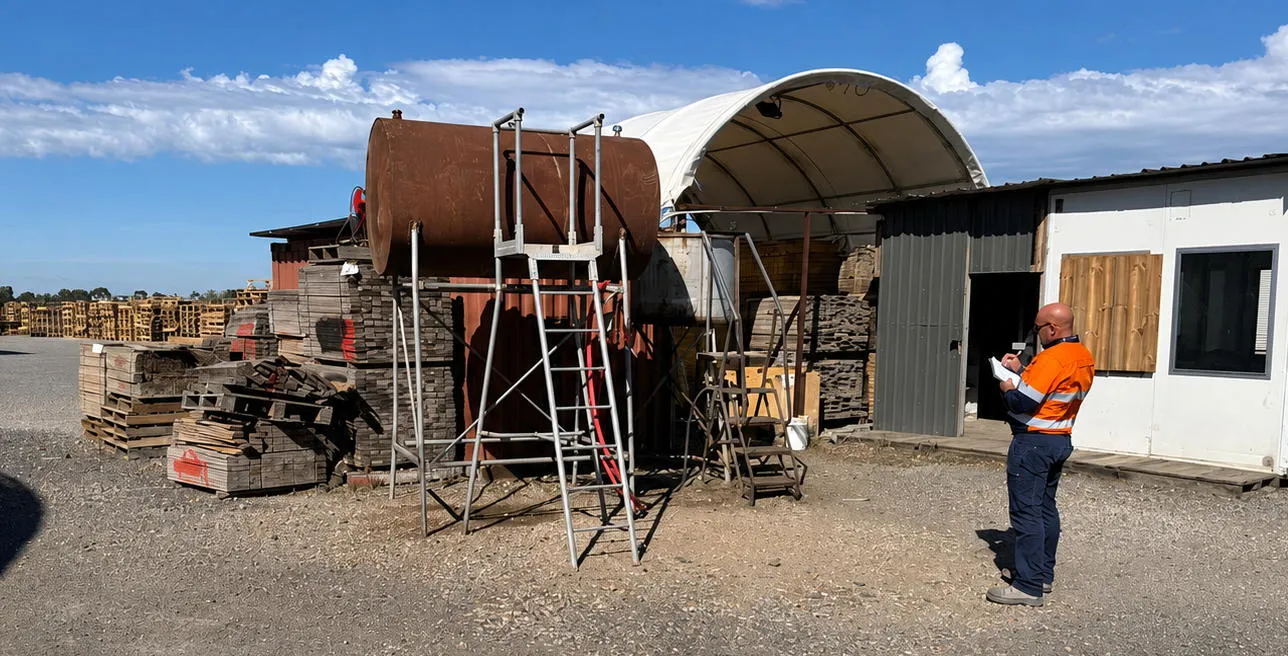
For many farms and regional businesses, an on-site fuel tank is part of everyday operations. It helps keep machinery moving, reduces trips into town and gives you better access to fuel when you need it.
But one part of the setup that is often overlooked is how the tank is filled.
Many older above-ground fuel tanks still require delivery drivers to climb a ladder or access platform to fill the tank from the top. While this may have been common practice in the past, it is worth asking whether it is still the safest and most practical option for your site.
Over time, ladders and access points can deteriorate. Weather, corrosion, uneven ground, mud, dust and general wear can all affect how safe a tank is to access.
If your tank is filled regularly, that means the ladder is being used regularly too.
What is a Bottom-Fill Kit?
A bottom-fill kit allows an above-ground fuel tank to be filled from ground level.
Instead of needing to access the top of the tank, the delivery driver can connect the hose at a lower, more accessible point. This can make fuel deliveries safer, simpler and more practical for everyone on-site.
Many bottom-fill kits also include a clear level tube, allowing site staff or farmers to easily check the tank’s fuel level from the ground. This can reduce the need to climb the tank to dip or check the level manually, adding another layer of safety and convenience.
While the delivery driver is usually the person using the bottom-fill kit, the benefits are still very real for the tank owner.
Safer Site Access
On a farm, there are already plenty of safety risks to manage. Machinery, livestock, uneven ground, weather conditions and busy work areas are all part of the day-to-day environment.
If a delivery driver needs to climb an older tank ladder during delivery, that creates another risk on your property.
It is not just the climb itself. The driver will also need to manage a heavy fuel hose while accessing the top of the tank, which can make the task more awkward and increase the risk of slips, trips, strain or loss of balance.
Even if you are not the person climbing the tank, it is still happening on your site. If the ladder is rusty, unstable, slippery, difficult to reach or sitting on uneven ground, it can quickly become a safety hazard.
A bottom-fill kit helps reduce the need for working at heights during fuel deliveries. For farmers and business owners, that means one less thing to worry about when drivers, contractors or staff are accessing the fuel storage area.
It is a practical way to make your site safer and reduce reliance on older tank ladders or access platforms.
Quicker, Less Disruptive Deliveries
Fuel deliveries often happen when there is already plenty going on.
You may have machinery operating, livestock work underway, contractors on-site, trucks moving through, or staff trying to get jobs done before the weather changes. During busy periods like harvest, sowing, spraying or cartage, delays around fuel can cause real frustration.
If a tank is difficult to access, the delivery can take longer than it needs to. The driver may need extra time to safely manage the ladder, hoses and fittings, especially in wet, windy or hot conditions.
A ground-level fill point makes the process more straightforward. The driver can connect at a lower, easier access point, helping reduce delays and unnecessary disruption around the tank area.
The easier your tank is to fill, the easier it is to keep fuel moving without interrupting the day.
A More Future-Ready Tank Setup
Many older above-ground tanks were installed when top-fill access was more common. But safety expectations have changed, and relying on an older ladder or access platform may not be the best long-term option.
For farmers, future-proofing is about avoiding problems before they become urgent.
A bottom-fill kit can help bring an older tank setup closer to modern expectations without necessarily replacing the whole tank. It may also reduce the chance of delivery issues later if a ladder, platform or access point becomes damaged, unsafe or no longer practical to use.
Where suitable, it is a simple upgrade that can make an older tank easier and safer to keep using.
Quick Check
Take a look at your current tank setup and ask:
- Does the delivery driver need to climb the tank to fill it?
- Is the ladder or platform showing signs of wear, rust or movement?
- Is the ground around the tank uneven, slippery or difficult to access?
- Could the tank access point become an issue during wet weather or busy periods?
- Would a ground-level fill point make deliveries easier and safer?
If the answer is yes, it may be time to consider whether a bottom-fill kit is suitable for your tank.
Need Advice?
A bottom-fill kit will not suit every tank, but where it can be installed, it can be a practical way to improve site safety, reduce disruption and make fuel deliveries easier.
Bonney Energy can supply and install bottom-fill kits at a cost, depending on the tank and site setup. If you are unsure whether your tank is suitable, speak with your Bonney Energy representative for advice.