On-Site Refuelling vs. Fuel Storage Tanks
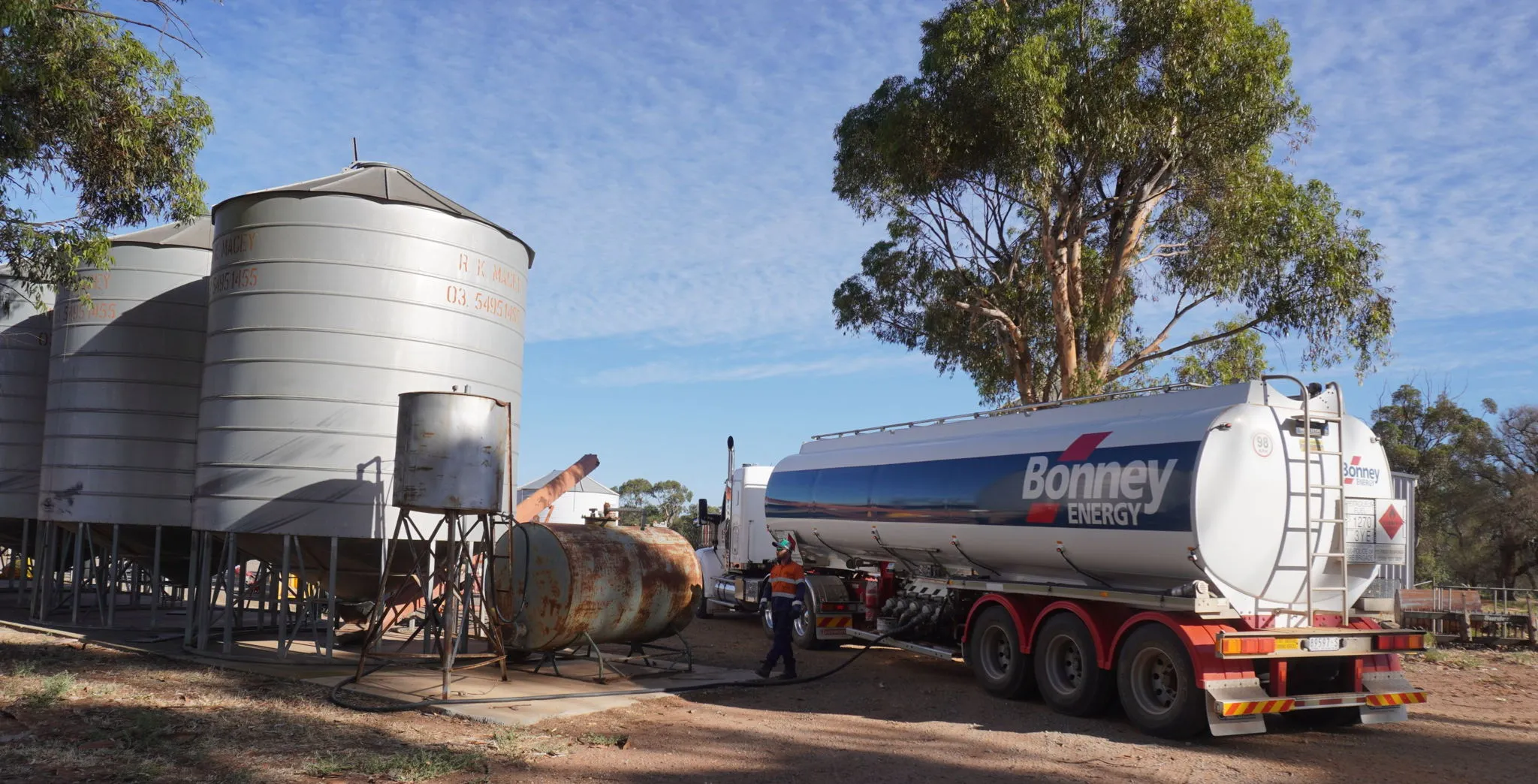
On-site refuelling vs. fuel storage tanks – it’s a debate that countless businesses have (and will) face as they weigh up the most efficient and convenient way to fuel their fleet, machinery, and equipment.
In this guide, we’ll break down how each option works, the benefits and considerations of each option, and the factors that you – as a business – must consider when choosing between on-site refuelling and fuel storage tanks.
What is on-site refuelling?
On-site refuelling or direct fuelling is a way of fuelling vehicles, heavy machinery, and equipment. Businesses that operate in remote locations, including farms, rural and civil contractors, factories, transport companies, or those operating heavy equipment and generators at construction sites, may choose to have fuel delivered directly by a third-party fuel company to eliminate the need for transporting fuel or storing it at the property.
Benefit of on-site refuelling
Convenience: The key benefit of on-site refuelling is the convenience of having a third party come to your site and fill your vehicles with fuel. Not having to make detours or travel to off-site fuel stops reduces downtime and increases efficiency.
On-site refuelling can be arranged on a scheduled basis or on demand. On-demand services are especially useful for mitigating the impact of unexpected fuel shortages on-site.
Drawback of on-site refuelling
Third-party reliant: On the flip side, the biggest drawback of on-site refuelling is that you are relying on a third party to deliver fuel to your property. Any disruption to delivery can quickly ground your fleet and leave your team immobilised.
So while on-site has the potential to be a convenient way to keep your vehicles and machinery running, you’re also left at the mercy of a third party. A late fuel delivery isn’t just an inconvenience; it can cost your business through lost productivity and missed deadlines.
That being said, this issue can be avoided by working with a supplier that offers scheduled on-site refuelling.
What are fuel storage tanks?
Fuel storage tanks do exactly what their name would suggest – they safely store fuel for your vehicles, heavy machinery, and equipment. Having fuel stored on-site reduces the need for frequent fuel runs or third-party deliveries.
Benefit of fuel storage tanks
Control & planning: Perhaps the biggest benefit of fuel storage tanks is that you have greater control over fuel levels and the ability to refuel on-site as and when needed. That means less frequent trips to the bowser and less frequent on-site fuel delivery. Fuel storage tanks can be fitted with filtration systems, monitoring technology, tank level gauging, NMI-certified meters, and variable-rate dispensing pumps - depending on what works best for your operations.
Fuel reserves: Instead of just topping up your tanks, you’re also topping up your fuel reserves and ensuring that you have a safety net for your fuel supply. Fuel storage tanks range from 1,000L to 68,000L - there are Single Skin Tanks from 1,000 to 9,500 litres and Self-Bunded Tanks storing up to 68,000 litres.
Drawback of fuel storage tanks
Upfront cost: The main drawback of fuel storage tanks is the initial upfront cost of installation and the ongoing compliance burden that comes with storing fuel on-site.
Compliance & safety: In Australia, fuel storage is governed by AS 1940 (the standard for the storage and handling of flammable and combustible liquids), along with state-based EPA requirements and local council approvals. Depending on your tank size and location, you may also need to factor in bunding, spill containment, ventilation, and regular inspections to ensure safe storage and dispensing of fuel. Depending on the size of your businesses, navigating these logistical and regulatory obligations coupled with the upfront cost can sometimes outweigh the benefits.
Fuel storage tanks vs. on-site refuelling – which is better?
If you’re tossing up between on-site refuelling and fuel storage tanks, the most important thing to understand is that there is no “right” answer.
As we’ve explained above, both options come with their own unique set benefits and drawbacks.
As a general rule, the size of your operation, scale of your fleet, and fuel consumption are the three factors that you should consider when weighing up your options.
On-site bulk fuel delivery, while convenient, does mean that you are subject to the reliability of the fuel delivery company. If reserves run dry and you can’t get another delivery for a week or a natural disaster blocks access to your site, then you could easily be left grounded until those lines open back up.
On the other hand, on-site fuel storage adds significant upfront cost and require careful management in-line with Australia’s stringent AS 1940 standards. Mismanagement of fuel can leave your team and site at risk and leave your organisation vulnerable to significant fines.
If you’re tossing up between bulk fuel delivery and fuel storage tanks for your business, your best port of call is to consult with a fuel delivery and storage specialist. Bonney offers bulk fuel delivery across Victoria, as well as fuel storage tank solutions for businesses of all sizes - we can assess your requirements, break down costs, and help you make an informed decision for your organisation.